
A Key Industry Words which is popular used in in Interior Design and Business Asset Management industry communication in daily working.
When discussing interior design, real estate, or business asset management, the term FF&E often emerges but might not be immediately clear to everyone. FF&E stands for Furniture, Fixtures, and Equipment, and it represents a crucial category of assets for many organizations, developers, especially those in hospitality, retail, healthcare, and office environments.
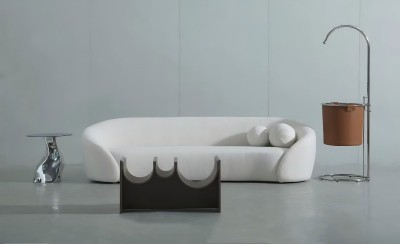
FF&E encompasses movable items that are not permanently attached to a building or structure. Unlike building components such as walls or HVAC systems, FF&E includes:
Furniture: loose furniture , casegoods, indoor movable furniture, outdoor loose furniture etc. movable light like table lamp, flooring light, artwork, decoration pieces etc.
Fixtures: Items that may be attached but can be removed without damaging the structure, like lighting fixtures, window treatments, and built-in shelving. Headboard fixed on the wall, cabinet which is connected to the backside wall, TV shelves which is fixed to the concrete wall, drapery, curtain, sheer, painting which is hanged to the wall or other places.
Equipment: Tools and machines necessary for business operations, such as computers, kitchen appliances like water machine, coffee maker, audiovisual gear, and medical devices.
Importance of FF&E These assets play an important role in defining the functionality and aesthetics of a space.
Operational Efficiency: Proper selection and arrangement of FF&E enable businesses to optimize workflow, enhance employee productivity, or improve customer experience.
Aesthetic Appeal: FF&E contributes significantly to the look and feel of an environment, which impacts brand identity and customer perception. This part works like the face of the building which affects the fully impression of the client uses the space, it is also very important part to show its space's unique local or global style via the application of design factors like material , color, shape, lighting etc. so most of the developer of famous project wish to spend lots of money to invite good designer studio to make excellent FF&E specification, 3D video, tendering files to know the roughly appearance of this part.
Financial Considerations: FF&E items typically represent a considerable portion of capital expenditures and depreciable assets on a company's balance sheet. It needs to be included in the budget of the project in advance at beigining and need to consider various budget like design studio, consultancy, procurement firm, logistic, installation, warranty etc.
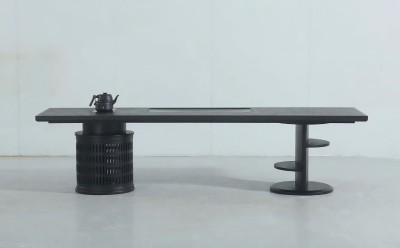
FF&E in Different Industries
1.Hospitality: Hotels invest heavily in high-quality FF&E to ensure guest comfort and satisfaction. Items like mattresses, lighting, artwork, and restaurant furniture are critical which is the items to make sure the clients feel at home or not bad.
2. Retail: Display fixtures, shelving units, and checkout counters not only serve functional purposes but also influence buying behavior. Especially luxury branded company like starbucks , Gucci, Bulgari, Bentley etc. will use appointed designer or supplier of these items to make sure each branded store to keep the similar design to increase their brand deeply.
3. Healthcare: Specialized equipment and ergonomic furniture are essential for patient care and staff efficiency. For hospital or recover center, the owner requests certified eco-friendly materials, designated special materials to make sure the quality of the projects.
4. Corporate Offices: Modern workplaces focus on ergonomic and flexible furniture solutions that support collaboration and wellness. FF&E package also a good way to show the company's culture, vision and owner's taste, attractive, enhance the credibility and influence of the company and brand.
Procurement and Installation Process
Managing FF&E requires careful planning, from the design of the specification and budgeting to procurement, delivery, installation, and maintenance
Key steps include:
- Needs Assessment: Understanding the functional and aesthetic requirements of the space.
- Budgeting: Allocating funds based on quality, quantity, and long-term value.
- Vendor Selection: Choosing suppliers who offer reliable products and support.
- Timeline Coordination: Synchronizing FF&E delivery with construction or renovation schedules at jobsite.
- Installation: Ensuring proper setup with minimal disruption.
--Regular maintenance and servicing: Regularly inspect, maintain and eliminate any potential safety hazards of different products and equipment as required to ensure the normal and smooth use of the space.
--Depreciation and Asset Management
Since FF&E items wear out or become obsolete over time, businesses need to track depreciation for accounting and tax purposes. Maintaining an updated inventory, scheduling maintenance, and planning for eventual replacement help in maximizing the lifecycle and value of FF&E assets.
In recent years, sustainability concerns have influenced FF&E choices. Many organizations now prioritize eco-friendly materials, energy-efficient equipment, and products made from recycled or renewable resources. This approach not only reduces environmental impact but can also enhance corporate social responsibility credentials.
FF&E may sometimes be overlooked in broader discussions about buildings and facilities, yet it remains a cornerstone in creating functional, attractive, and efficient environments. Whether launching a new hotel, renovating an office, or managing assets for financial reporting, understanding the role of FF&E is essential. By strategically selecting and managing furniture, fixtures, and equipment, businesses can improve operations, enhance occupant satisfaction, and protect their investments for the future.


