

Different Installation Methods for Hotel Column Cladding
As a supplier of Hotel Column Cladding, I've had the privilege of witnessing the transformative power of these elements in hotel interiors. Hotel column cladding not only enhances the aesthetics of a space but also provides protection and durability. In this blog, I'll explore the various installation methods for hotel column cladding, offering insights that can help hoteliers and designers make informed decisions.
Adhesive Installation
The adhesive installation method is one of the most common approaches for hotel column cladding. This method involves using a high - strength adhesive to bond the cladding material directly to the column surface. It is suitable for a wide range of cladding materials, including wood, stone veneer, and some types of composite panels.
One of the main advantages of adhesive installation is its simplicity. It doesn't require complex tools or extensive structural modifications to the column. The process typically starts with preparing the column surface. The surface must be clean, dry, and free of any debris or contaminants. Any existing paint or coatings should be removed to ensure a strong bond.
Once the surface is prepared, the adhesive is applied evenly to either the back of the cladding panel or the column surface. The cladding panel is then carefully placed onto the column and pressed firmly, ensuring complete contact between the adhesive layer and the panel. Clamps or weights may be used to hold the panel in place while the adhesive cures.
Adhesive installation is relatively quick and can be completed with a small crew. However, it is important to select the right adhesive for the specific cladding material and column surface. For example, some adhesives may not be suitable for use with certain types of stone due to differences in porosity and chemical composition. More details about our high - quality cladding materials can be found on our Hotel Column Cladding page.
Mechanical Fastening
Mechanical fastening is another popular installation method for hotel column cladding. This method involves using screws, nails, bolts, or clamps to attach the cladding panels to the column. It is often preferred for heavier or larger - sized cladding materials, such as solid wood or thick stone slabs, as it provides a more secure and stable attachment.
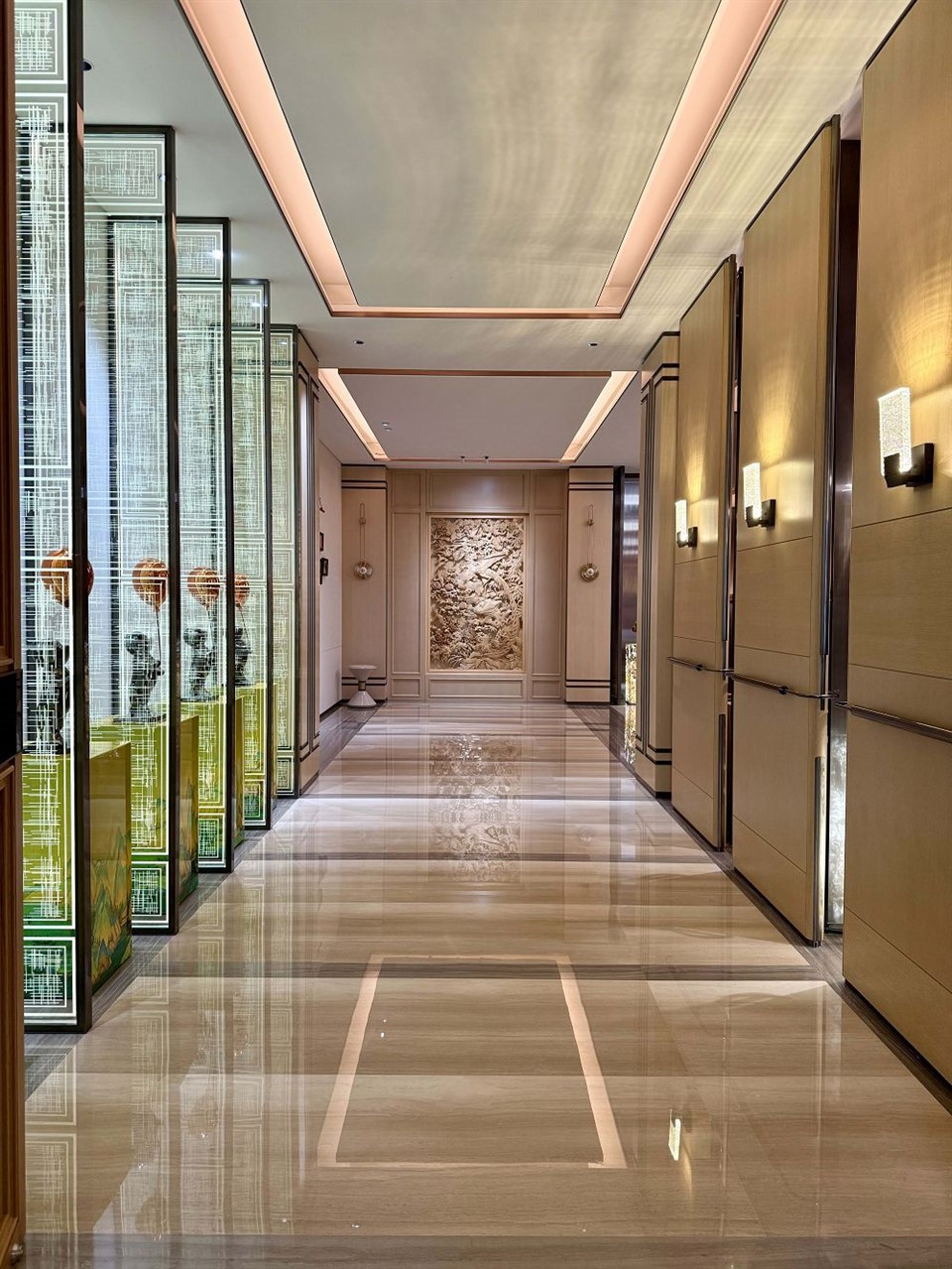

The first step in mechanical fastening is to install a framework or furring strips on the column. These strips act as a base for attaching the cladding panels and help to create a level and even surface. The framework is typically made of wood, metal, or plastic and is attached to the column using appropriate fasteners.
Once the framework is in place, the cladding panels are secured to it using the chosen mechanical fasteners. For example, if using screws, pre - drilled holes are made in the cladding panels to prevent splitting. The screws are then driven through the holes and into the framework, ensuring a tight fit.
One of the benefits of mechanical fastening is its adjustability. If a panel needs to be replaced or adjusted in the future, it can be easily removed and reinstalled. However, this method also has some drawbacks. The fasteners may be visible on the surface of the cladding, which can affect the overall aesthetic. To mitigate this, some designers use concealed fasteners or choose cladding materials with pre - designed channels for fastener installation.
Dry - Stack Installation
Dry - stack installation is a unique method that is often used for natural stone or brick cladding. This method involves stacking the cladding units on top of each other without the use of mortar or adhesive. Instead, the units are held in place by their own weight and the interlocking design of the pieces.
The dry - stack method requires careful planning and precise cutting of the cladding units. The column surface must be level and plumb to ensure a proper fit. The units are typically laid in a specific pattern, such as a running bond or a herringbone pattern, to create an aesthetically pleasing appearance.
One of the advantages of dry - stack installation is its natural and rustic look. It gives the impression of a traditional stone wall, adding a touch of authenticity to the hotel interior. Additionally, this method allows for better ventilation behind the cladding, which can help prevent moisture buildup and potential damage to the column.
However, dry - stack installation requires a high level of skill and experience. The installer must have a good understanding of the material properties and the mechanics of stacking to ensure a stable and secure installation.
Mortar Installation
Mortar installation is a traditional method used for stone and brick cladding. It involves applying a layer of mortar between the cladding units and the column surface to bond them together. Mortar installation provides a strong and durable bond, making it suitable for both interior and exterior applications.
The process starts with mixing the mortar to the proper consistency. The column surface is then prepared by brushing on a thin layer of mortar to promote adhesion. The cladding units are then placed on the wet mortar, and additional mortar is applied between the joints to fill any gaps.
One of the benefits of mortar installation is its ability to create a seamless and waterproof finish. The mortar fills the joints between the cladding units, preventing water penetration and providing additional protection to the column. However, this method is more time - consuming and labor - intensive compared to other installation methods. It also requires careful cleaning during the installation process to remove any excess mortar from the surface of the cladding.
Considerations for Installation
When choosing an installation method for hotel column cladding, several factors should be considered. The type of cladding material is a key factor. Some materials, such as thin veneers, may be better suited for adhesive installation, while heavier materials may require mechanical fastening or mortar installation.
The design and aesthetic goals of the hotel also play an important role. If a seamless and smooth finish is desired, adhesive or mortar installation may be the best choice. On the other hand, if a more rustic or textured look is preferred, dry - stack installation could be a great option.
Budget and time constraints are also important considerations. Some installation methods, such as adhesive installation, are relatively quick and cost - effective, while others, like mortar installation, may require more time and labor, resulting in higher costs.
Other Hotel Fit - Out Products
In addition to hotel column cladding, we also offer a wide range of other hotel fit - out products. Our Hotel TV Frame is designed to enhance the visual appeal of the hotel room by providing a stylish and functional housing for the TV. The Hotel Wall Panel can transform the ordinary walls into elegant and luxurious surfaces, adding a touch of sophistication to the space.
Our Hotel Partition Panel offers flexible solutions for dividing large areas into smaller, more private spaces. And the Hotel Ceiling Panel not only improves the acoustics of the room but also contributes to the overall aesthetic of the hotel.
Contact for Procurement
If you are interested in our hotel column cladding or any of our other hotel fit - out products, we encourage you to contact us to discuss your specific requirements. We are committed to providing high - quality products and professional installation advice to help you create the perfect hotel interior.
References
- Smith, J. (2018). Interior Design for Hotels. New York: Design Press.
- Jones, A. (2019). Building Materials and Installation Methods. London: Construction Guides.
- Brown, K. (2020). Hotel Fit - Out Trends. Paris: Hospitality Journals.